
The Rise of Plant-Based Diets: A Biochemical Perspective

Imagine improving your health with a simple change in what's on your plate. Sounds too good to be true? Before dismissing it as another diet fad, ask yourself: Is a plant-based diet just another trend, or is there real science behind its health benefits?

Plant-based diets are becoming more popular for many reasons. Besides that, these diets often minimize or exclude all animal products, a well-balanced plant-based diet is useful for the primary prevention of several health conditions. From a biochemical perspective, these diets influence metabolism, cellular function, and disease prevention through the nutrients and bioactive compounds they provide.
A typical western-diet is rich in refined carbohydrates and saturated fats of animal origin, but low in fibre. However, high consumption of both refined carbohydrates and saturated fats can lead to a pro- oxidative state after each meal due to their active oxidation and simultaneous Reactive Oxygen Species (ROS) formation. This postprandial pro-oxidative state can induce inflammation after meals and is an important contributing factor besides obesity in several other chronic diseases, such as atherosclerosis and insulin resistance. Plant foods contain antioxidants such as vitamins C and E, carotenoids, and polyphenols. These compounds neutralize reactive oxygen species (ROS), reducing oxidative stress that can damage DNA, proteins, and lipids.
Lipotoxicity
The presence of excess fatty acids leads to the accumulation of intramyocellular lipid species such as diacylglycerol (DAG), ceramide, and long-chain acyl-CoAs. If these metabolites occur in B-cells, they can disrupt their functions. Plant-based diets have protective effects on B-cell function by increasing glucose sensitivity, decreasing basal insulin secretion and the mean glucose level ultimately lowering the risk of Type 2 Diabetes.
The further consequences of lipotoxicity can include the induction of proinflammatory processes, oxidative stress, and mitochondrial dysfunction which ultimately leads to liver injury and can contribute to Non-Alcoholic Fatty Liver Disease (NAFLD)

Gut microbiome modulation
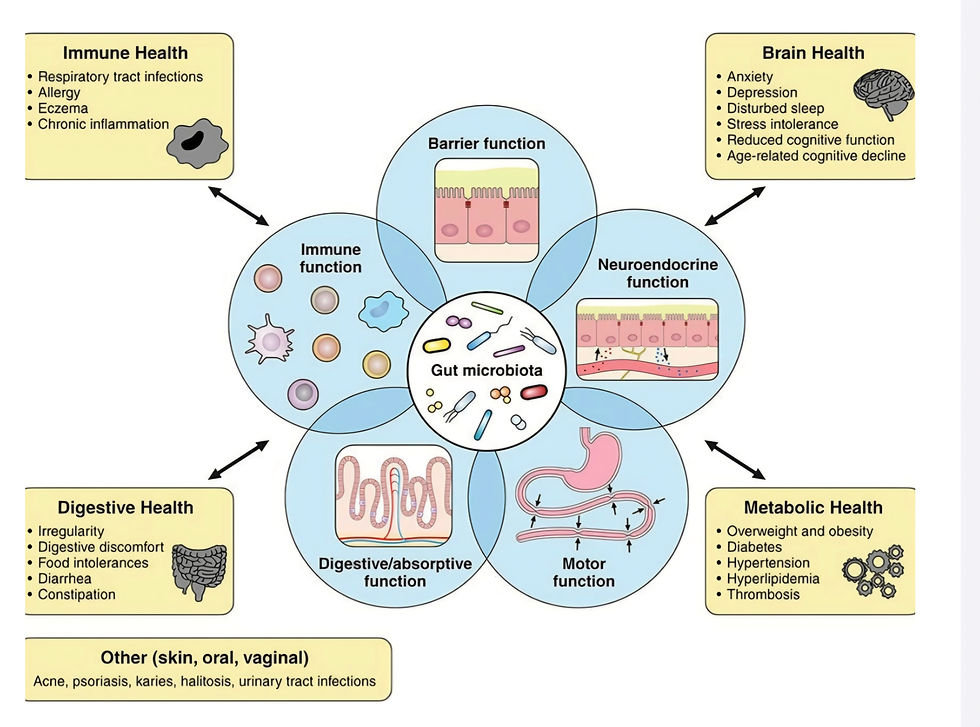
The gut microbiome, a complex community of trillions of microorganisms living in the human digestive tract recently recognized as one of the main mediators of the beneficial effects of plant-based dietary patterns. The generous amount of dietary fiber in plant-based diets serves as diverse fermentable substrates that lead to enhanced microbial taxonomic diversity, a generally agreed-upon indicator of gut health, and the selective enrichment of fiber-fermenting bacterial taxa such as Faecalibacterium prausnitzii, Roseburia intestinalis, Bifidobacterium longum, Lactobacillus species, and members of the Ruminococcaceae family, which collectively synthesize short-chain fatty acids, mainly butyrate propionate, and acetate, as their principal fermentation metabolic products. Intervention studies with diet have shown that an increase in the amount of plant fibers and polyphenol-rich foods in the diet rapidly changes the composition of the microbiota in the gut, with a significant increase in beneficial bacteria such as Faecalibacterium and Bifidobacterium. These bacteria have a positive effect on the production of short-chain fatty acids, especially butyrate.
The next time you sit down for a meal, remember that every bite triggers countless biochemical reactions within your body. Choosing more plant-based foods isn't just a lifestyle choice-it is an investment in your long-term health. As research continues to uncover the powerful relationship between nutrition and human biology, one thing becomes clear: the food we eat truly shapes our health from the inside out.
By Soha
F.Y. B.Pharm


Comments