
Xylazine Addiction: A Scientific Snapshot Behind the "Zombie Drug”

Xylazine, a veterinary sedative, has unexpectedly entered the human drug supply. Unlike opioids, it doesn’t produce strong euphoria—instead, it slows the body down, making it a dangerous and often overlooked contributor to addiction.
Chemistry in Brief
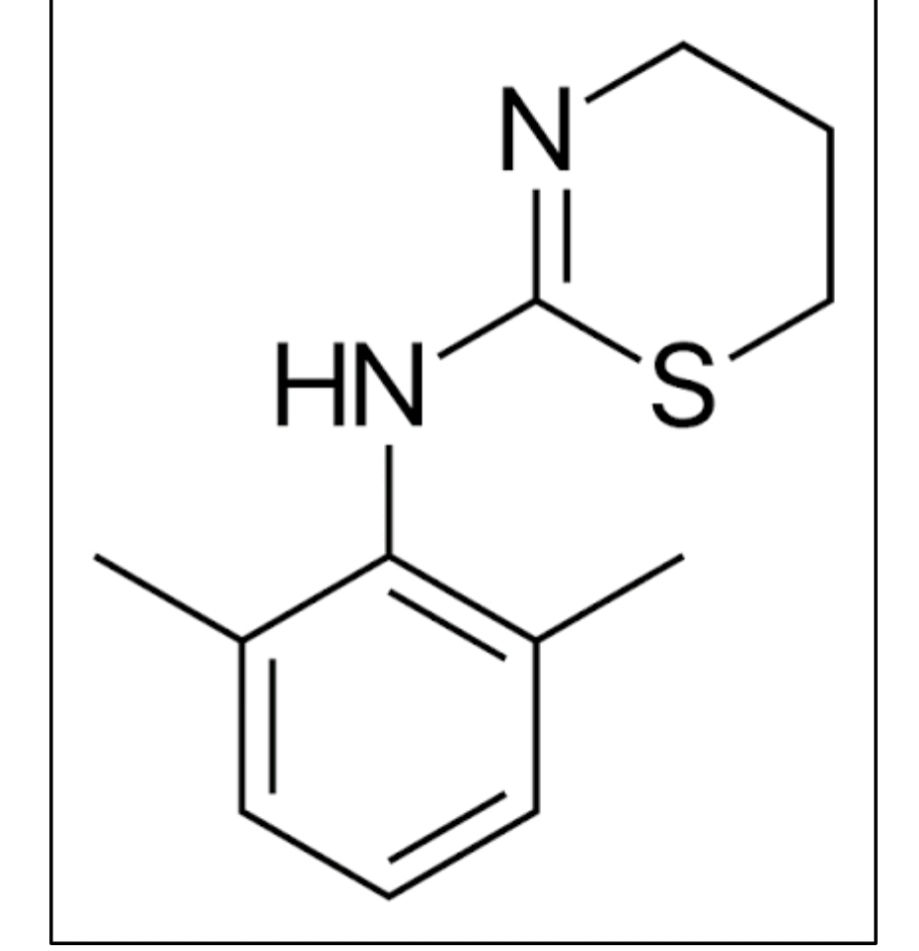
Xylazine is an imidazoline compound with a lipophilic structure, allowing it to quickly cross the blood-brain barrier. It primarily targets α−2 adrenergic receptors, which regulate the body’s stress and alertness systems.
How It Works
Xylazine acts as an α−2 adrenergic receptor agonist, mainly in the brain and spinal cord.
By activating these receptors, it inhibits the release of norepinephrine, a neurotransmitter involved in the "fight-or-flight" response.
This leads to reduced sympathetic nervous system activity, causing central nervous system depression characterized by sedation, drowsiness, and amnesia.
Additionally, peripheral α−2 receptor stimulation results in decreased heart rate (bradycardia) and lowered blood pressure, while overall CNS depression can impair breathing
Addiction Mechanism
Xylazine addiction is driven less by pleasure and more by dependence:
- It enhances and prolongs opioid effects when mixed
- Chronic use alters brain signaling
- Withdrawal leads to anxiety, agitation, and cardiovascular stress
How is xylazine turning people into zombies
Xylazine in combination with fentanyl, when injected to a human body decreases the heart rate which is very dangerous and it also produces large and open wounds similar to ulcer and abscesses. These slowly spread throughout the arms and legs causing them to rot which may ultimately result in amputation. The person with wounds all over the arms and legs appear as zombie thus Xylazine has the nickname of zombie drug

By Amalamary Tomi (SY Bpharm)


Comments